

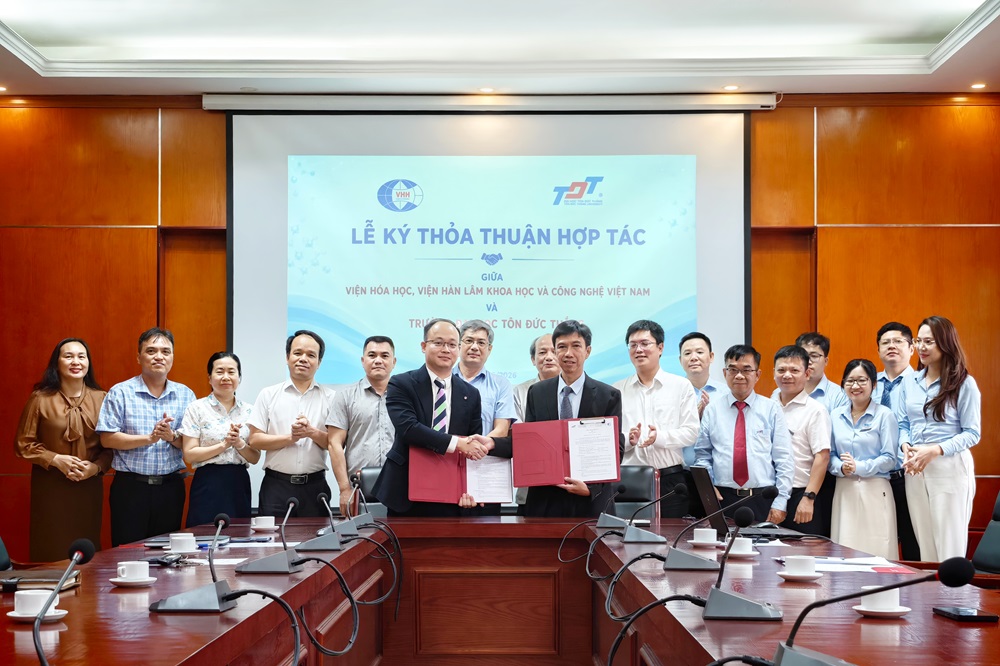
Under the agreement, TDTU and ICH will collaborate on scientific research activities in the field of Chemistry, particularly Computational Chemistry – an interdisciplinary field that integrates theoretical chemistry and computer science to support the design of new materials, the simulation of biological processes, pharmaceutical research and development, and various other high-tech applications.
Doing research at TDTU
With the goal of developing into a world-class research university, scientific and technological activities at TDTU are organized according to international standards with the following directions:
-Basic research: Research outcomes must result in publications in top-tier, reputable journals listed in WoS or Scopus databases.
-Technology research: Research outcomes must successfully address practical issues, with the results being new designs, patents, or inventions granted patents by the United States Patent and Trademark Office (USPTO).
-Applied research: Research activities are closely linked with businesses to transfer research products into practical applications.
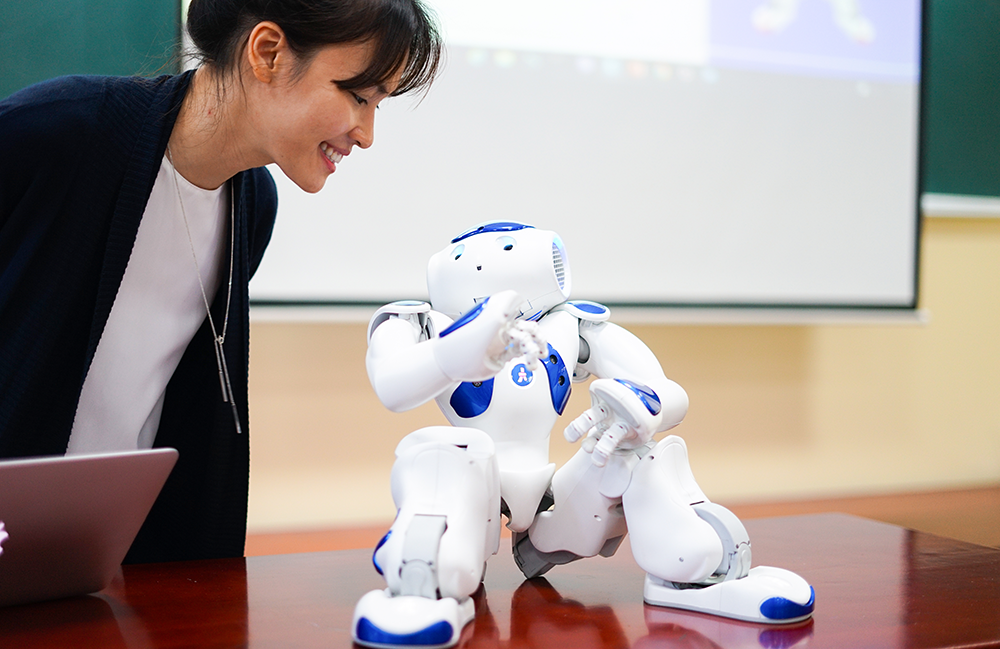
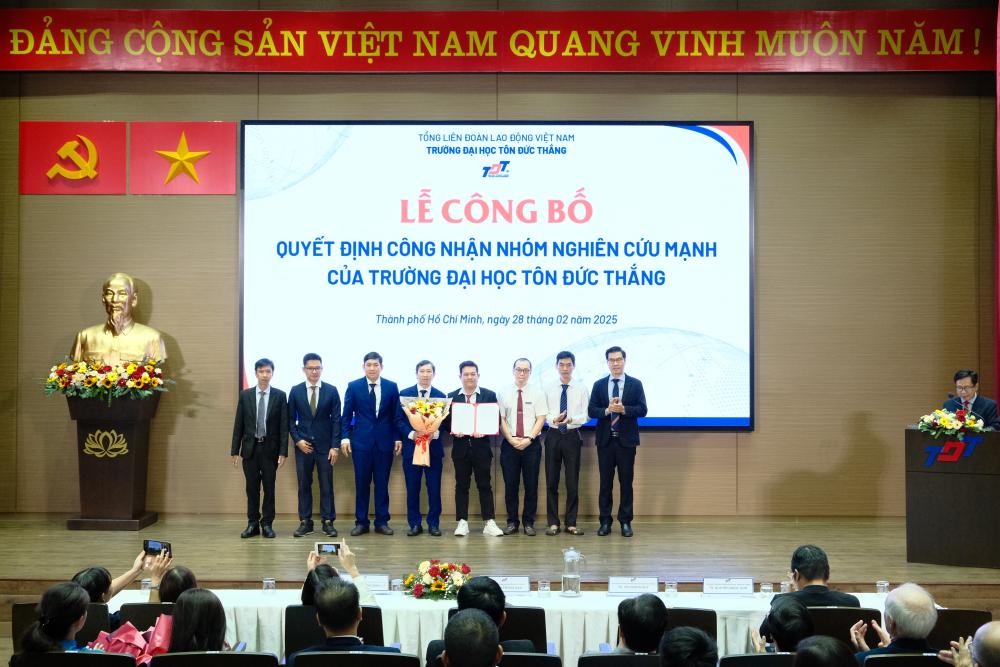
Advanced Intelligent Technology Research Group
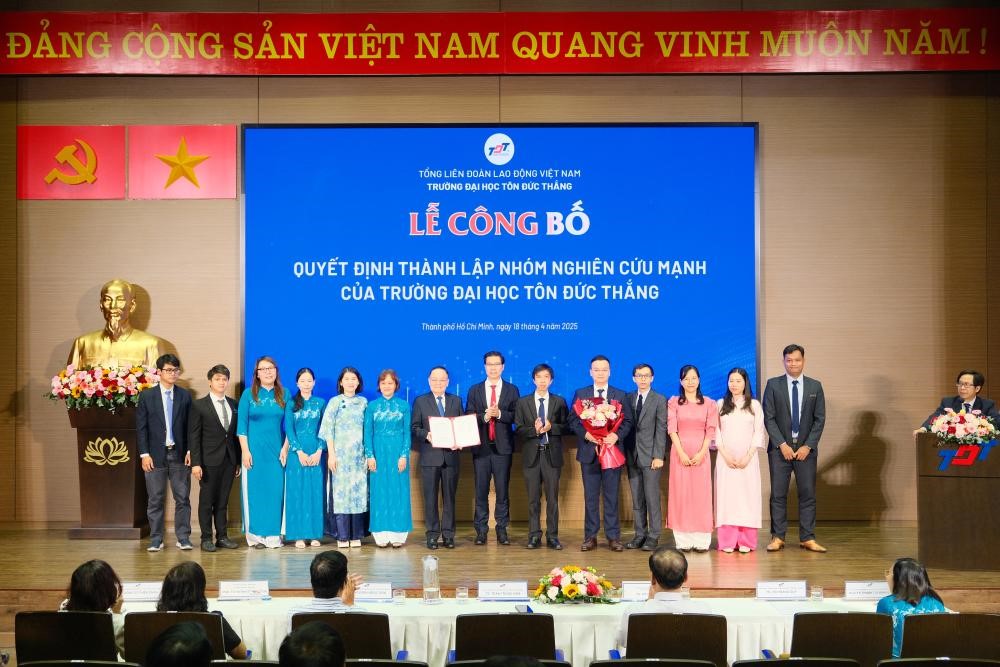
Research Group in Pharmaceutical and Biomedical Sciences
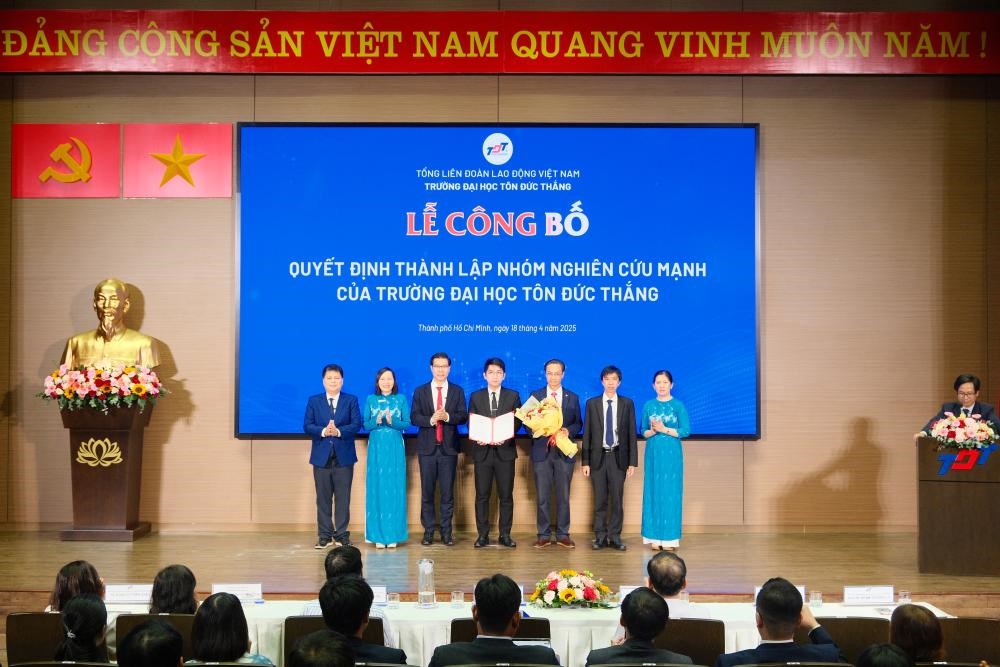
Economics, Business and Management Research Group
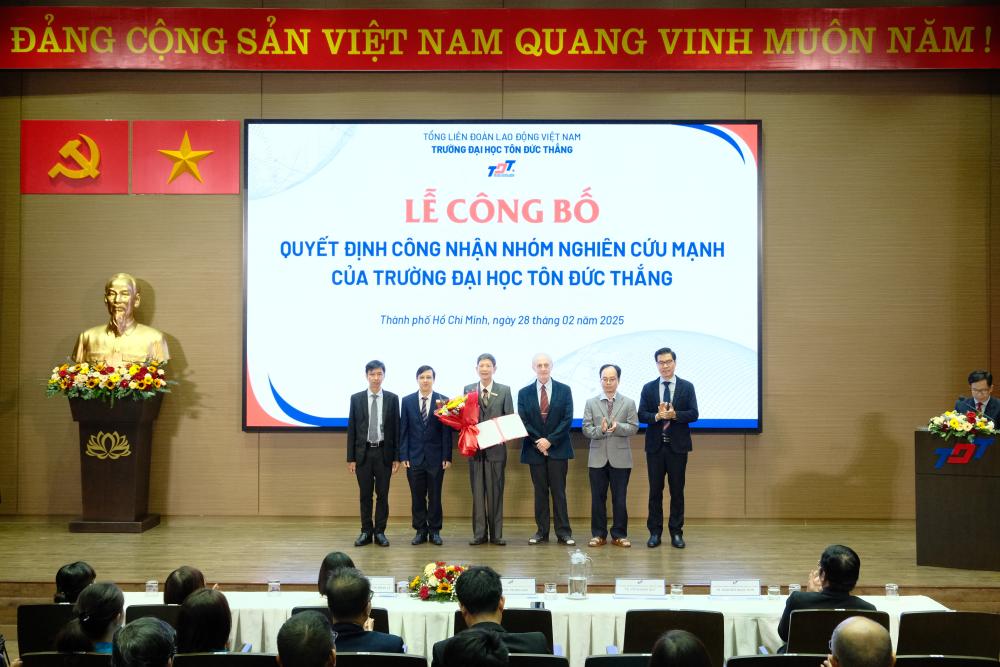
Analytical and Algebraic Methods in Optimization Research Group
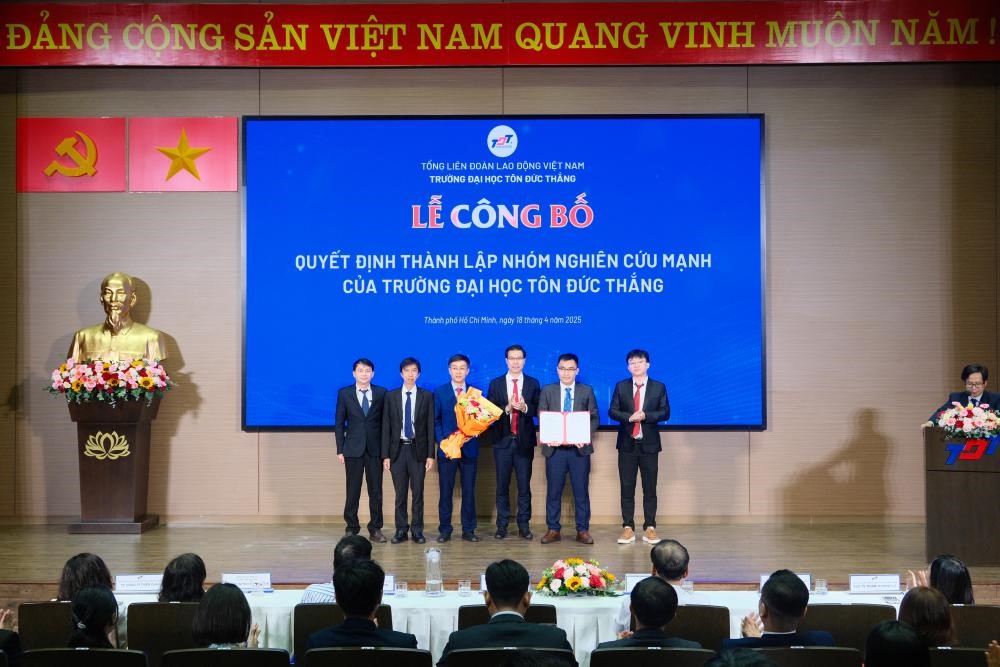
Smart Computing in Civil Engineering Research Group
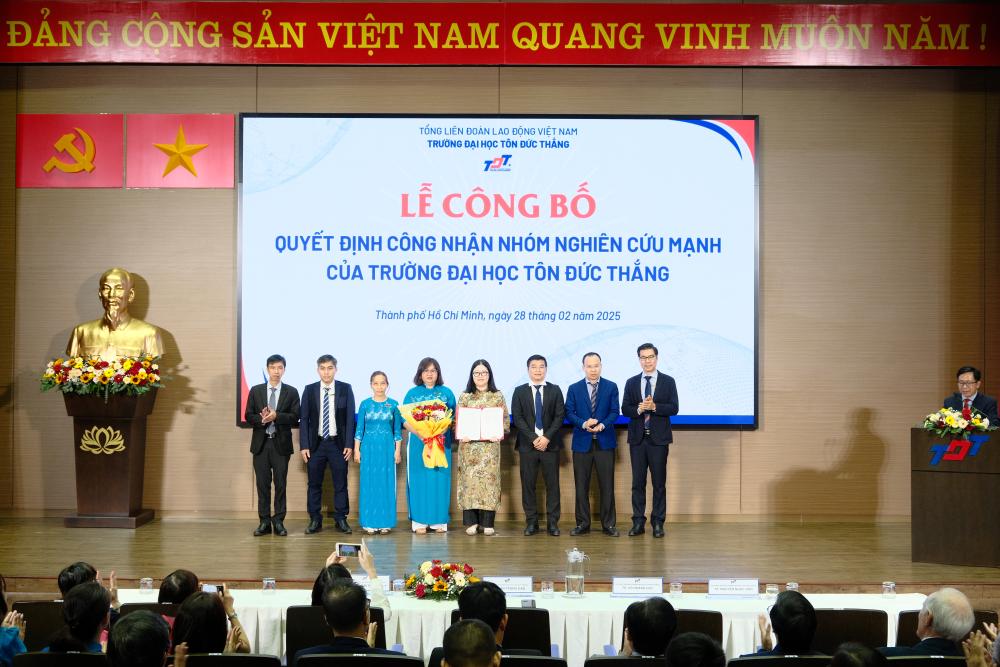
Group of Applied Research in Advanced Materials for Sustainable Development
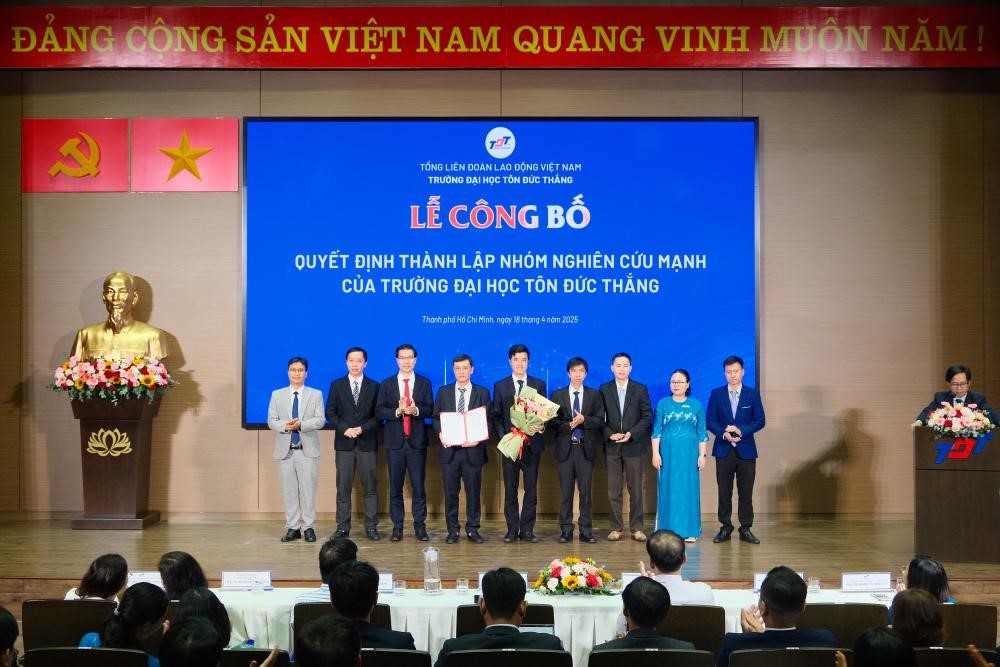
Natural Language Processing and Knowledge Discovery Research Group
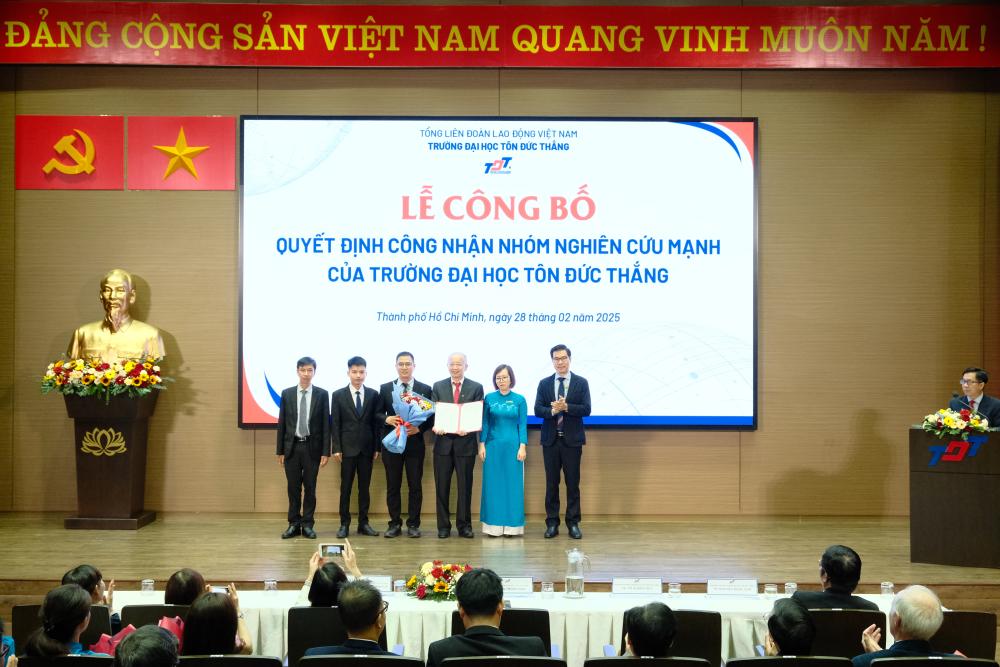
Mechanics of Advanced Materials and Structures
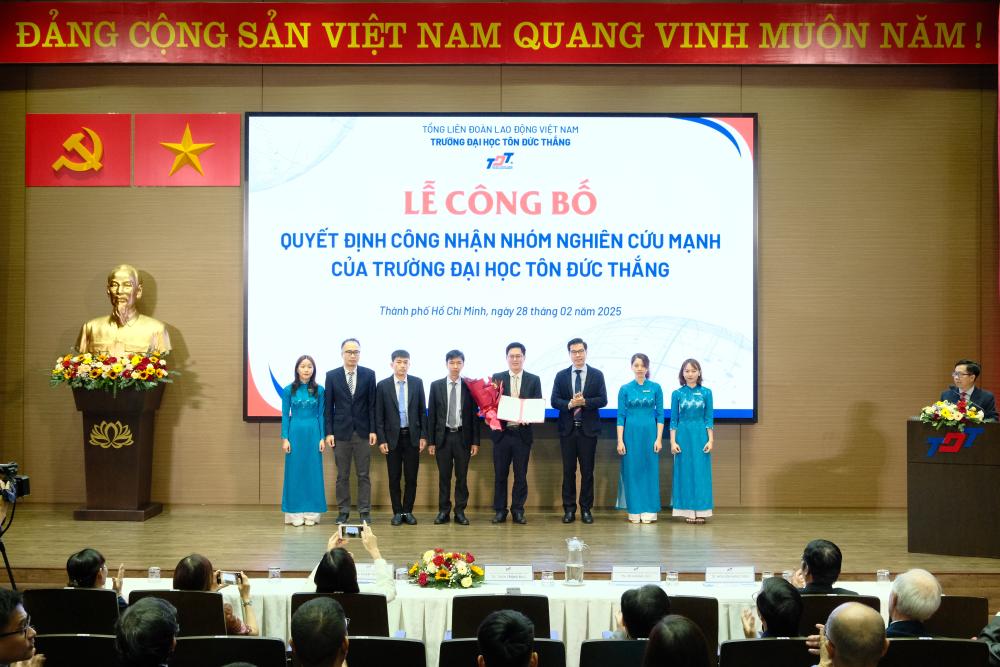
Laboratory of Biophysics
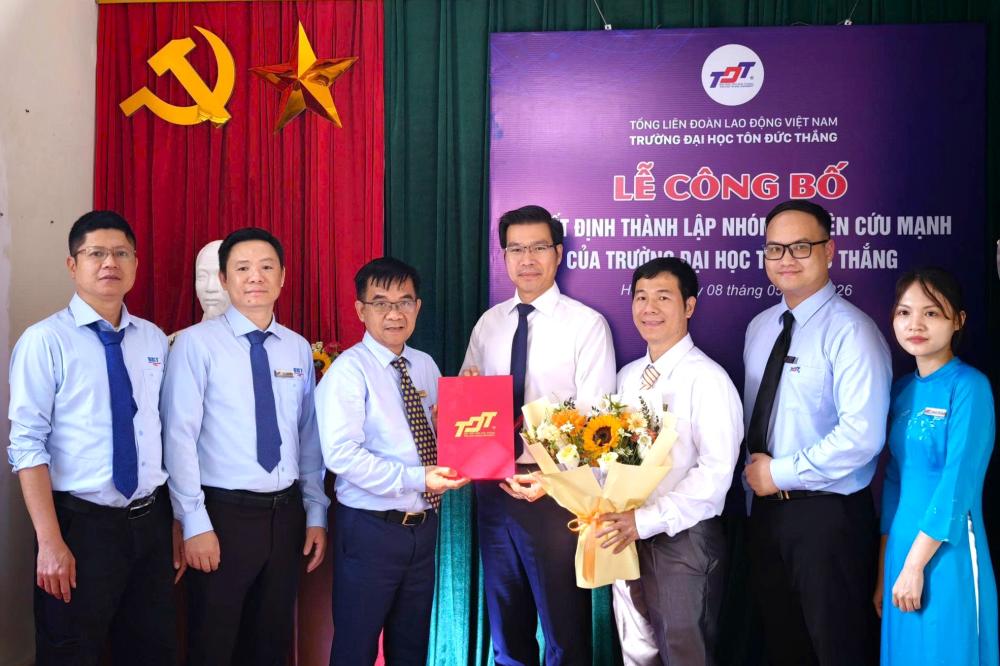
Laboratory of Advanced Materials and Natural Resources
Environmental Technology and Bioremediation Research Group
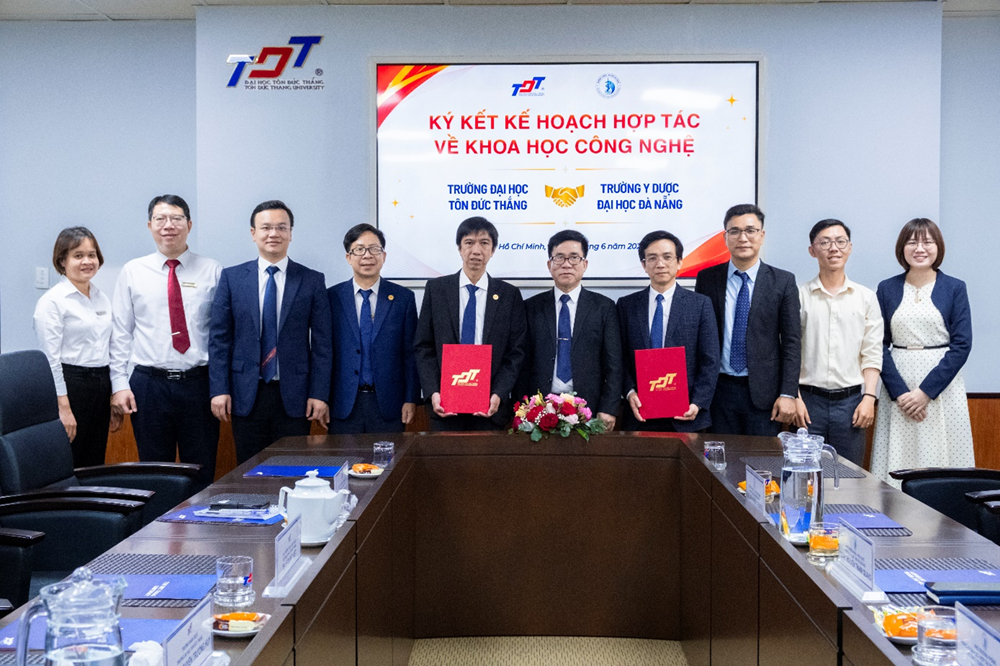
Under the cooperation plan, both parties will facilitate the participation of lecturers and researchers in joint research groups; collaborate on research projects at various levels; and share academic resources, scientific databases, laboratories, and research infrastructure. The two institutions will also strengthen academic exchange through domestic and international conferences, scientific seminars, and workshops for faculty members and students, while creating opportunities for lecturers to participate in each other's academic activities.
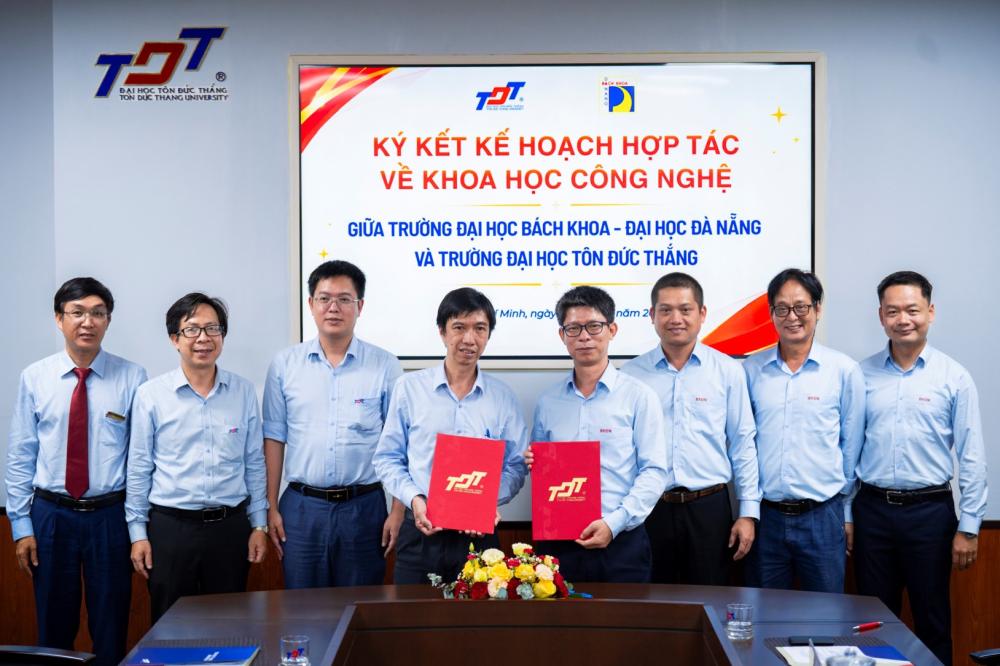
The cooperation will focus on several key areas, including faculty and expert exchange; the development and implementation of interdisciplinary academic programs and joint training programs both domestically and internationally; co-supervision of master’s theses and doctoral dissertations; and the establishment of joint research groups. Importantly, the working session also created opportunities for research groups from both institutions to meet and directly discuss potential areas of academic collaboration, share research strengths, and explore possibilities for joint projects and research initiatives in the future.