Ton Duc Thang University and the Institute of Chemistry Sign Cooperation Agreement on Education and Scientific Research
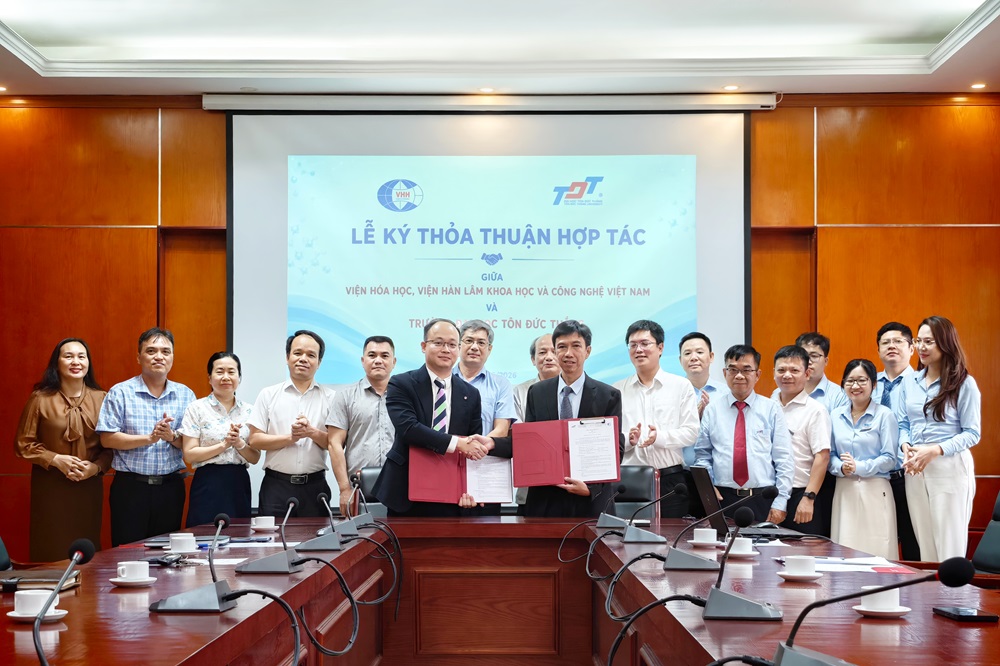
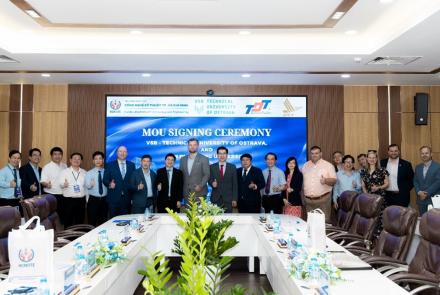
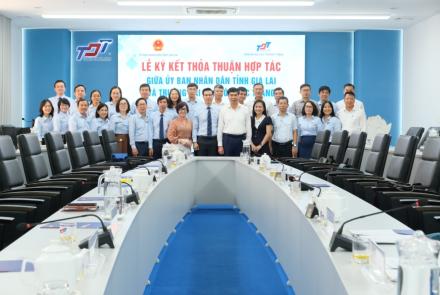
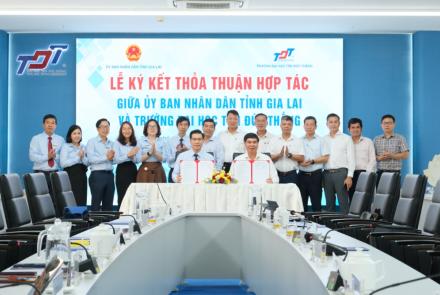
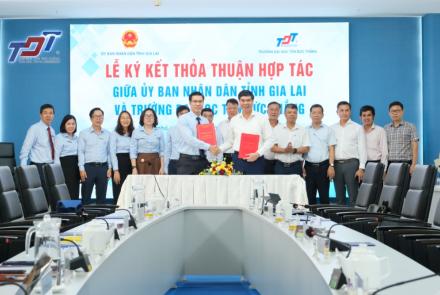
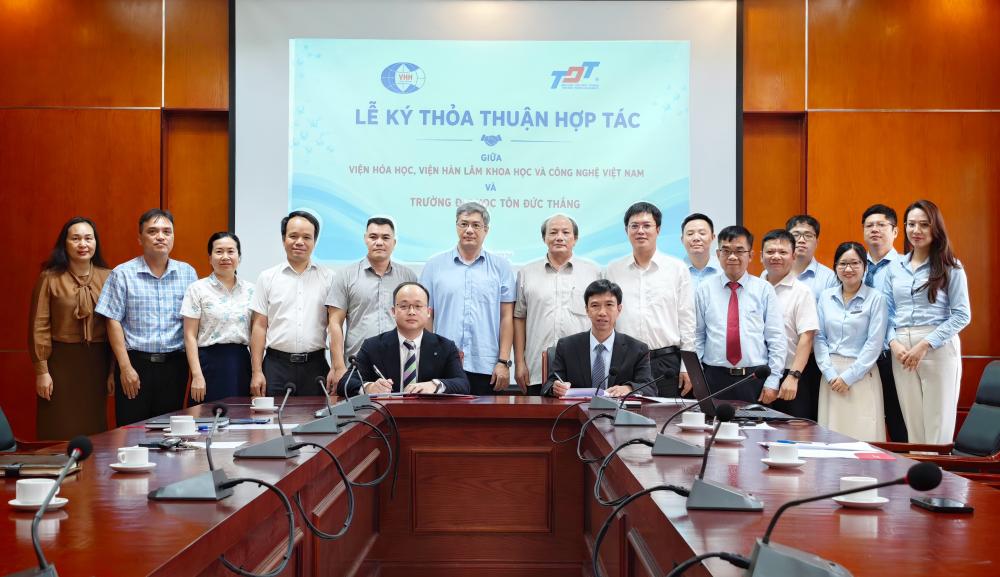
On 10 June 2026 in Hanoi, Ton Duc Thang University (TDTU) and the Institute of Chemistry (ICH), under the Vietnam Academy of Science and Technology, held a signing ceremony for a cooperation agreement aimed at enhancing the quality of education, scientific research, and human resource development in the field of Chemistry.
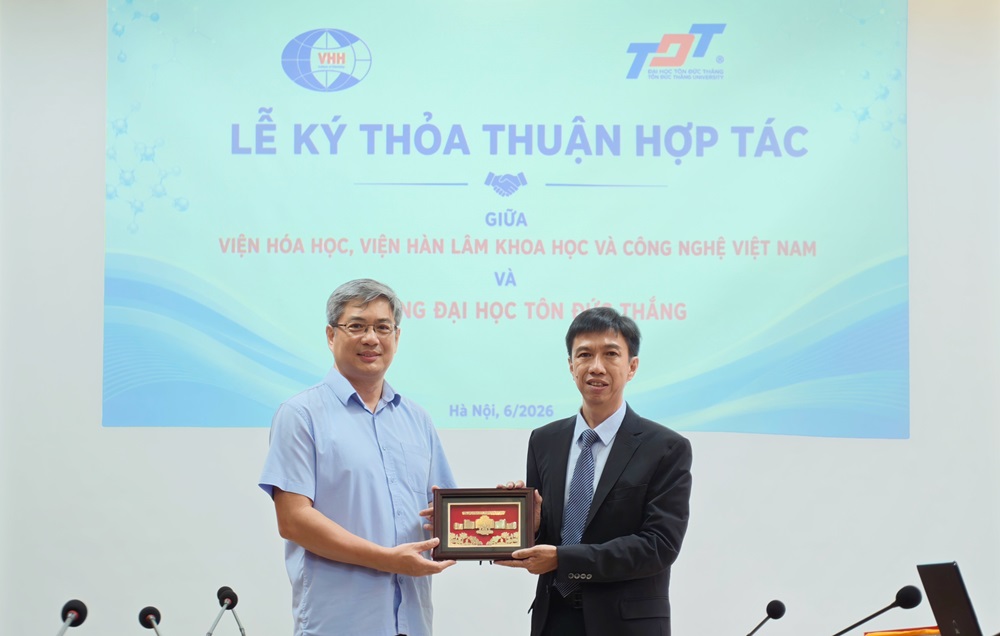
The agreement was signed by Dr Vo Hoang Duy – Vice President of TDTU, and Prof. Dr. Ngo Quoc Anh – Director of the Institute of Chemistry, with the attendance of leaders, scientists, and representatives of specialized units from both institutions.
Under the agreement, TDTU and ICH will collaborate on scientific research activities in the field of Chemistry, particularly Computational Chemistry – an interdisciplinary field that integrates theoretical chemistry and computer science to support the design of new materials, the simulation of biological processes, pharmaceutical research and development, and various other high-tech applications.
The cooperation framework is built upon the complementary strengths of both institutions. TDTU currently possesses strong research groups in computational science and computational chemistry, supported by a high-performance computing infrastructure for numerical simulations, molecular dynamics studies, and computer-aided drug design. Meanwhile, ICH is one of Vietnam’s leading research institutes in both fundamental and applied chemistry, with notable achievements in the study of natural compounds, biomaterials, polymers, environmental chemistry, and research areas supporting sustainable development. The Institute’s modern laboratory system and experienced team of experts will contribute to validating, refining, and enhancing the practical applicability of theoretical research outcomes.
By combining TDTU’s advanced computational and simulation capabilities with ICH’s strengths in experimental research, the two institutions will jointly implement research projects spanning from theoretical studies to experimental validation, with the aim of generating high-quality scientific publications and research outcomes aligned with the nation’s strategic technology sectors.
In addition to research collaboration, the two institutions will strengthen postgraduate training at the doctoral and postdoctoral levels to enhance the qualifications of science and technology personnel and implement cooperative programs aligned with the development orientations of both institutions.
The signing ceremony not only strengthens the relationship between the two institutions but also opens up new opportunities for education and scientific research. Closer collaboration between the University and specialized research institutes will help optimize resources, create synergies in research and technology transfer, and contribute to socio-economic development.